What are the applications of shell-and-tube heat exchangers in the metallurgical industry
Information summary:Tube and tube heat exchanger is a core heat exchange equipment with stable structure, high heat transfer efficiency, and strong adaptability in the metallurgical industry. It is widely used in key processes such as smelting, refining, waste heat recovery, and cooling in metallurgical production. It can handle high temperature, high pressure, and corrosive media, meeting the harsh working condition
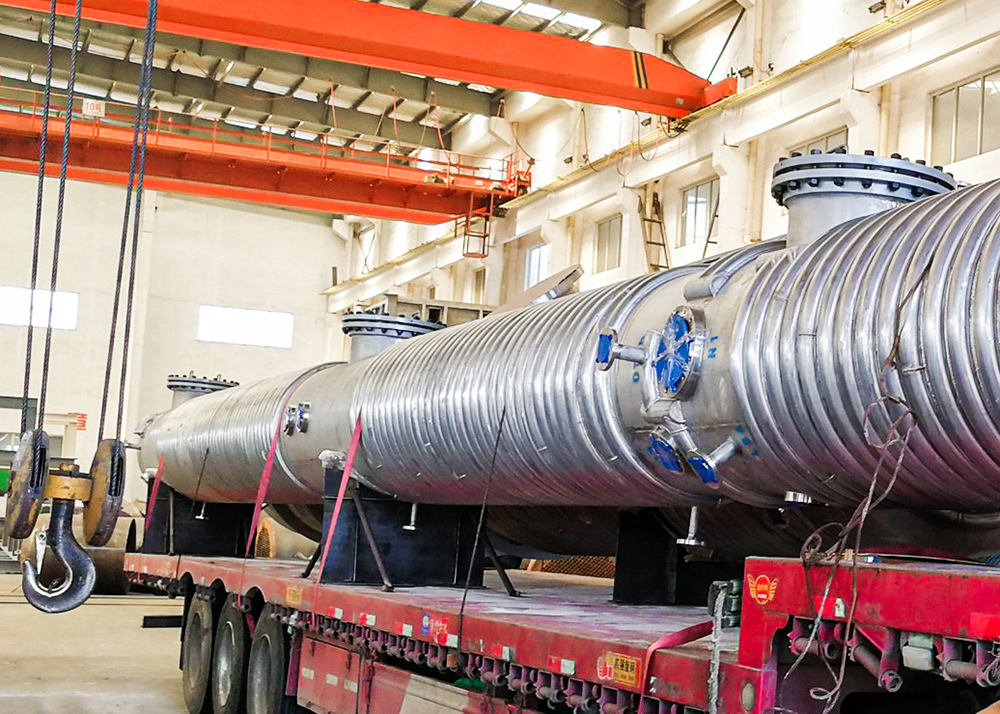
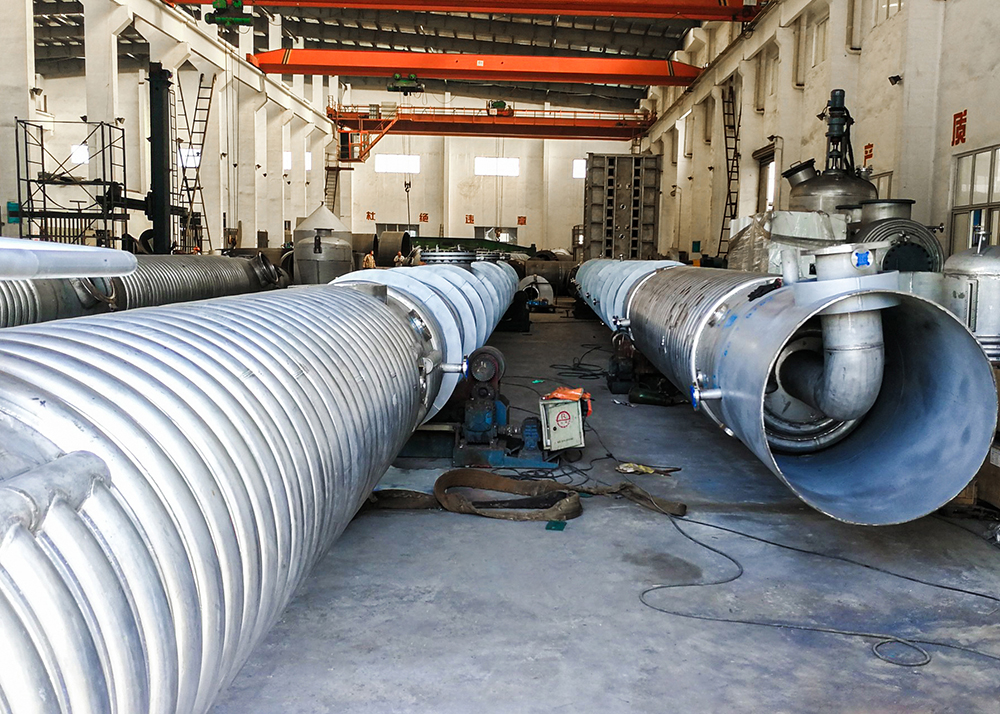
Tube and tube heat exchanger is a core heat exchange equipment with stable structure, high heat transfer efficiency, and strong adaptability in the metallurgical industry. It is widely used in key processes such as smelting, refining, waste heat recovery, and cooling in metallurgical production. It can handle high temperature, high pressure, and corrosive media, meeting the harsh working conditions of metallurgical processes. The following are its specific application scenarios and technical characteristics:
1、 Application in ironmaking process
1. Heat exchanger for blast furnace gas waste heat recovery
Process function: Blast furnace ironmaking produces a large amount of high-temperature blast furnace gas (with a temperature of about 500-800 ℃). The tubular heat exchanger can recover its sensible heat, heat the combustion air or boiler feedwater, and generate steam for power generation or plant heating.
Equipment features: Carbon steel or heat-resistant steel (such as 20G, 15CrMo) tube bundles are used, with high-temperature gas flowing through the shell side and low-temperature medium flowing through the tube side; It is necessary to design anti dust structures (such as soot blower interfaces) to address the issue of dust blockage in gas.
2. Closed loop cooling system for blast furnace soft water
Process function: Indirectly cool key parts such as the blast furnace body, tuyere, and slag mouth to prevent high-temperature erosion. As the core of the soft water cooling system, the tubular heat exchanger exchanges heat between the soft water that has absorbed heat from the blast furnace and the circulating water, ensuring stable temperature of the soft water.
Equipment features: The tube side is for purifying soft water (anti scaling), and the shell side is for industrial circulating water; The tube bundle needs to have high pressure resistance (working pressure 1.0-2.5MPa) to avoid soft water leakage affecting the safety of the blast furnace.
2��、 Application in steelmaking process
1. Converter flue gas waste heat boiler (tube structure)
Process function: The high-temperature flue gas (1400-1600 ℃) generated during the converter blowing process is recovered through a tubular waste heat boiler to produce medium and high-pressure steam, achieving energy cascade utilization.
Equipment features: using finned tubes or light tube bundles, made of heat-resistant stainless steel (such as 310S), resistant to high temperature oxidation; Expansion joints are installed on the shell side to compensate for thermal deformation under high temperature conditions.
2. Heat exchanger for steel refining system
RH vacuum refining device cooler: cools the vacuum chamber wall and immersion tube. The tubular heat exchanger uses copper alloy tube bundles with high thermal conductivity, which can quickly remove high-temperature radiation heat and maintain the structural strength of the vacuum chamber.
LF furnace electrode cooler: cools the graphite electrode holder of the LF refining furnace, with pure water flowing through the tube side and circulating water flowing through the shell side to prevent electrode failure due to high temperature oxidation.
3���、 Application in Steel Rolling Process
1. Roll cooling heat exchanger
Process function: During the hot rolling process, the temperature of the rolling mill rolls can reach 500-600 ℃. The tubular heat exchanger cools the emulsion or pure water that cools the rolling mill rolls, ensuring uniform surface temperature of the rolling mill rolls and avoiding surface defects caused by thermal deformation of the rolling mill rolls.
Equipment features: The material of the tube bundle is stainless steel (304/316), which is resistant to emulsion corrosion; Design detachable tube bundles for easy cleaning and maintenance.
2. Steel quenching/tempering cooler
Process function: Temperature control is applied to quenching media (such as quenching oil and water-based quenching fluid). The tube and shell heat exchanger uses heat exchange to cool the high-temperature quenching medium to the required process temperature (such as 40-80 ℃), ensuring stable mechanical properties of the steel after heat treatment.
Equipment features: For quenching oil media, an anti leakage structure needs to be designed to avoid safety hazards caused by oil-water mixing.
4�、 Application in Nonferrous Metallurgical Processes
1. Copper/aluminum smelting flue gas cooler
Process function: The flue gas generated by copper flash smelting and aluminum electrolysis contains corrosive gases such as sulfur dioxide. The tubular heat exchanger uses corrosion-resistant alloy (such as Hastelloy C276) tube bundles to cool the high-temperature flue gas to a suitable temperature, facilitating subsequent desulfurization and dust removal treatment.
Equipment features: The shell side is coated with anti-corrosion coating, and the tube bundle adopts a welded sealing structure to prevent smoke leakage and environmental pollution.
2. Electrolyte cooling heat exchanger
Process function: In copper electrolytic refining and zinc wet smelting, excessive electrolyte temperature can reduce electrolysis efficiency and increase energy consumption. The tubular heat exchanger directly cools the electrolyte and maintains the temperature in the electrolysis range of 40-50 ℃.
Equipment features: The material of the tube bundle is titanium alloy or fluoroplastic, which is resistant to strong acid corrosion; Adopting a low flow rate design to avoid impurities in the electrolyte from washing and wearing the tube bundle.
5��、 Application in Metallurgical Auxiliary System
1. Air compressor cooler
Process function: The air compressor in the metallurgical plant generates a large amount of heat during operation. The tubular heat exchanger cools the compressed air and lubricating oil, ensuring stable operation of the air compressor and providing qualified compressed air for pneumatic valve and instrument control.
2. Hydraulic system oil cooler
Process function: When the hydraulic system of the rolling mill and smelting furnace is working, the increase in hydraulic oil temperature will lead to a decrease in viscosity and an increase in leakage. The tubular heat exchanger cools the hydraulic oil and maintains stable system pressure.





 Wechat number:18626143580



 Service Hotline

 Hotline:0512-52093708
 E-mail:yutezjl@163.com
 Address:No. 101, Taojia Bridge, Dahe Village, Shanghu Town, Changshu City, Suzhou City, Jiangsu Province
 Add wechat
 Contact us
 Telephone